
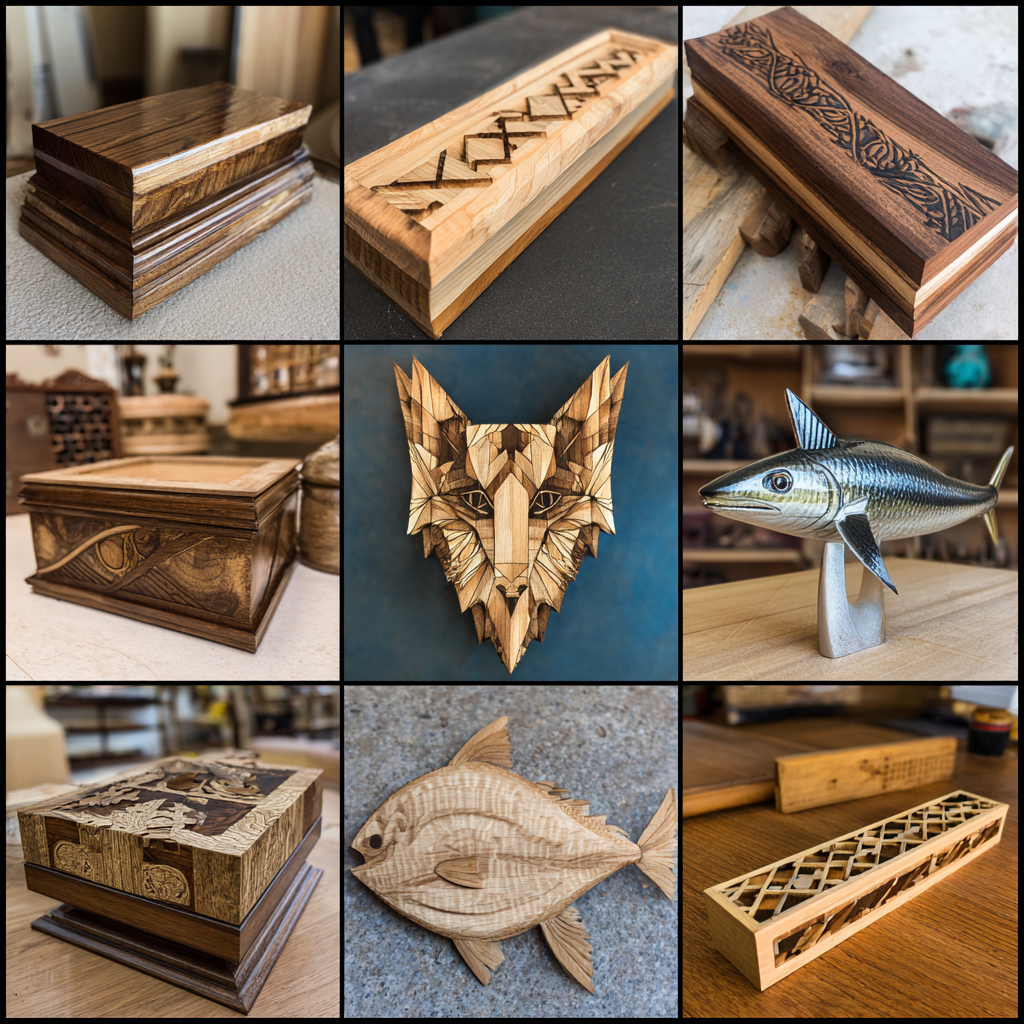
Starting your woodworking journey doesn’t require a massive workshop or decades of experience. With just a few basic tools and some inexpensive lumber, you can create stunning, functional pieces that look professionally crafted. These ten beginner-friendly projects will build your skills progressively while producing impressive results that will have everyone asking, “You made that yourself?”
Whether you’re looking to furnish your home on a budget, create personalized gifts, or simply discover a rewarding new hobby, these projects offer the perfect entry point into the timeless craft of woodworking.
Why Woodworking is the Perfect Hobby for Beginners
Woodworking combines creativity, problem-solving, and hands-on craftsmanship in a way few hobbies can match. Unlike many crafts, woodworking produces tangible, lasting items you’ll use for years. Each project teaches fundamental skills—measuring, cutting, joining, and finishing—that build upon one another as you progress.
The satisfaction of transforming rough lumber into a beautiful, functional object is incredibly rewarding. Plus, woodworking is surprisingly accessible. You don’t need expensive tools to start—many beginner projects require only a saw, drill, sandpaper, and glue. As your skills grow, so can your tool collection and project complexity.
Essential Tools for Beginner Woodworking
Before diving into projects, gather these fundamental tools that will serve you across all ten builds:
Must-Have Tools:
- Circular saw or hand saw for cutting wood
- Power drill with assorted bits
- Tape measure and carpenter’s square
- Sandpaper in various grits (80, 120, 220)
- Wood glue and clamps
- Safety glasses and hearing protection
- Pencil for marking measurements
Nice-to-Have Tools:
- Miter saw for precise angle cuts
- Orbital sander for faster finishing
- Combination square for layout work
- Level for checking alignment
- Countersink bit for professional screw placement
With this basic toolkit, you’re ready to tackle any project on this list.
1. Rustic Wooden Cutting Board
Difficulty: Beginner | Time: 2-3 hours | Cost: $15-25
A cutting board is the quintessential first woodworking project, offering instant gratification and practical utility. This project teaches you fundamental skills like measuring accurately, cutting straight lines, sanding to a smooth finish, and applying food-safe finishes.
What You’ll Need:
- Hardwood boards (maple, walnut, or cherry work beautifully)
- Wood glue
- Clamps
- Sandpaper (80-grit through 220-grit)
- Food-safe mineral oil or butcher block conditioner
Building Process:
Start by selecting your wood. Hardwoods are essential for cutting boards because they resist knife marks and bacteria better than softwoods. Visit a local lumber supplier or home improvement store and look for boards about 3/4 inch thick. Consider combining different woods for a striking striped pattern.
Cut your boards to uniform width—around 1.5 to 2 inches wide strips work well. Arrange them in your desired pattern, alternating grain direction for stability. Apply wood glue evenly to the edges, then clamp the boards together firmly. Wipe away any glue squeeze-out immediately with a damp cloth.
After the glue dries overnight, remove the clamps and sand the entire surface. Start with 80-grit sandpaper to level any unevenness, progress to 120-grit for smoothing, and finish with 220-grit for a silky feel. Round over the edges and corners slightly for comfort and safety.
Apply multiple coats of food-safe mineral oil, allowing each coat to soak in for several hours. This seals the wood and brings out its natural beauty. The result is a stunning cutting board that rivals anything sold in high-end kitchen stores.
2. Simple Floating Shelves
Difficulty: Beginner | Time: 1-2 hours per shelf | Cost: $10-20
Floating shelves add modern elegance to any room while providing valuable storage and display space. This project introduces you to wall mounting techniques and creates the illusion of shelves magically suspended without visible brackets.
What You’ll Need:
- Pine or poplar boards (1×6 or 1×8, cut to desired length)
- Floating shelf brackets or cleats
- Wood screws
- Wall anchors (if not mounting to studs)
- Stain or paint (optional)
- Level
Building Process:
Measure and cut your shelf board to the desired length. For most rooms, shelves between 24 and 48 inches work well. Sand all surfaces thoroughly, paying special attention to edges that will be visible.
If you want a finished look, apply stain or paint before installation. Natural wood with clear polyurethane creates a timeless appearance, while painted shelves can match your décor perfectly.
The magic of floating shelves comes from hidden mounting hardware. Purchase floating shelf brackets sized appropriately for your board thickness, or create your own cleat system using scrap wood. Locate wall studs using a stud finder and mark their positions carefully.
Mount the bracket or cleat to the wall securely, ensuring it’s perfectly level. Slide your shelf board onto the mounting hardware, and step back to admire how your shelf appears to defy gravity. These shelves look incredible in bathrooms, bedrooms, living rooms, or kitchens for displaying plants, books, or decorative items.
3. Wooden Planter Box
Difficulty: Easy | Time: 3-4 hours | Cost: $20-35
Transform your porch, patio, or garden with custom planter boxes that showcase your growing woodworking skills. This project teaches basic box construction and introduces considerations like drainage and weather resistance.
What You’ll Need:
- Cedar or redwood boards (naturally rot-resistant)
- Wood screws
- Drill with pilot bit
- Saw
- Landscape fabric (optional, for drainage)
- Exterior wood stain or sealant
Building Process:
Cedar and redwood are ideal for outdoor projects because they naturally resist rot, insects, and weathering. Cut four pieces for the sides of your planter—two matching lengths and two matching widths. Typical dimensions might be 24 inches long by 12 inches wide by 10 inches tall, but customize to fit your space.
Cut a bottom piece from the same wood, making it slightly smaller than the outer dimensions to fit inside the frame. Drill several drainage holes in the bottom piece to prevent water from pooling and rotting plant roots.
Assemble the four side pieces into a rectangular frame. Pre-drill pilot holes to prevent splitting, then drive screws through the corners to join the pieces. Attach the bottom piece inside the frame, positioned about an inch up from the bottom edge to allow water to drain freely.
Sand all surfaces and apply an exterior-grade wood finish or leave the cedar natural to weather into a beautiful silver-gray patina. Add landscape fabric inside before filling with soil to prevent dirt from washing through drainage holes. Plant your favorite flowers, herbs, or vegetables and enjoy your handcrafted planter for years to come.
4. Modern Side Table
Difficulty: Intermediate Beginner | Time: 4-6 hours | Cost: $30-50
A side table represents a step up in complexity while remaining achievable for beginners. This project combines multiple components—a top, legs, and connecting aprons—teaching you how to create sturdy furniture joints.
What You’ll Need:
- Pine or oak boards for the tabletop
- Four wooden legs (you can purchase pre-made legs or cut your own)
- Apron boards for the frame
- Wood screws and pocket hole jig (or corner brackets)
- Wood glue
- Stain and polyurethane
Building Process:
Begin with the tabletop. If using multiple boards, edge-glue them together just like the cutting board project. Clamp firmly and allow to dry completely. Once dry, sand the top surface smooth and round over the edges slightly for a refined look.
Cut four apron pieces that will connect the legs and support the tabletop. These typically sit flush with the top of the legs and should be about 3-4 inches wide. A pocket hole jig makes invisible, strong joints, but corner brackets also work well for beginners.
Assemble the base by attaching apron pieces between the legs to create a frame. Ensure everything is square by measuring diagonals—they should be equal. Once the base is assembled and glue has dried, attach the tabletop from underneath using screws through the aprons.
Apply your chosen finish. A warm walnut stain with protective polyurethane creates a classic look, while natural wood with clear finish emphasizes the grain. Your completed side table will look stunning next to a couch or bed and prove you’re developing serious woodworking skills.
5. Wall-Mounted Coat Rack
Difficulty: Easy | Time: 2-3 hours | Cost: $15-25
This practical project keeps entryways organized while adding rustic charm. A coat rack teaches you about spacing, wall mounting, and decorative hardware selection—all valuable skills for future projects.
What You’ll Need:
- Hardwood board (oak, maple, or reclaimed wood)
- Decorative coat hooks (4-6 depending on length)
- Wood screws for wall mounting
- Sandpaper
- Stain or finish
- Level
Building Process:
Select a board between 24 and 48 inches long, depending on your available wall space and how many coats you need to hang. Reclaimed barn wood or pallet wood creates an especially rustic, character-filled look, while fresh hardwood offers clean, contemporary styling.
Sand the board thoroughly, then apply your desired finish. For rustic appeal, try a dark walnut stain. For modern spaces, consider painting or leaving the wood natural with clear sealer.
Mark hook positions evenly along the board. Drill pilot holes for the hook screws, then install your hooks securely. Hooks spaced 6-8 inches apart work well for most applications.
Mount the finished coat rack to your wall by screwing through the back of the board directly into wall studs. If studs aren’t positioned conveniently, use heavy-duty wall anchors rated for the expected weight. Hang your coats and admire your handiwork every time you walk through the door.
6. Simple Storage Crate
Difficulty: Beginner | Time: 2-3 hours | Cost: $15-20
Storage crates offer endless versatility—use them for organizing craft supplies, displaying plants, storing toys, or creating rustic shelving. This project teaches box construction with exposed fasteners for an industrial aesthetic.
What You’ll Need:
- Pine or cedar boards
- Wood screws
- Drill
- Saw
- Sandpaper
- Rope or leather for handles (optional)
Building Process:
Cut boards for all six sides of your crate. Common dimensions are 12x12x12 inches, but adjust based on your needs. For a more open look, space slats about an inch apart rather than using solid sides.
Assemble the bottom first by attaching slats to two perpendicular support pieces. Then attach the four side pieces to create the box structure. Unlike the planter box where you hid the screws, these crates look great with exposed screw heads for an industrial vibe.
Drill holes near the top of two opposite sides and thread rope or leather strips through to create carrying handles. Knot the ends on the inside so handles won’t pull through.
Sand thoroughly, especially edges and corners. You can stain these crates, paint them in bright colors, or leave them natural. Stack multiple crates to create modular storage systems, or use a single crate as a unique planter or magazine holder.
7. Picture Frame
Difficulty: Intermediate Beginner | Time: 2-4 hours | Cost: $10-20
Creating custom picture frames lets you perfectly match your décor while learning precise 45-degree miter cuts—a fundamental woodworking skill you’ll use repeatedly in more advanced projects.
What You’ll Need:
- Frame molding or 1×2 boards
- Miter saw or miter box with hand saw
- Wood glue
- Corner clamps or band clamp
- Glass cut to size
- Backing board
- Small nails or glazier points
Building Process:
Measure your artwork or photo to determine the inside dimensions of your frame. Add the width of your frame material twice to each dimension to find cutting lengths. For example, a 5×7 photo with 1-inch-wide frame material needs pieces cut to 7 and 9 inches on the outside edges.
Cut four pieces with 45-degree angles on both ends, creating mirror-image pairs. Accuracy is crucial here—even small errors in angle create noticeable gaps. Dry-fit all four pieces before applying glue to ensure everything aligns perfectly.
Apply wood glue to the mitered ends and clamp the frame together using corner clamps or a band clamp that holds all four corners simultaneously. Allow the glue to dry completely, then sand any roughness at the joints.
Create a rabbet (recessed ledge) on the back for the glass and backing, or simply attach thin strips around the back perimeter to hold everything in place. Insert your glass, artwork, and backing board, then secure with small nails or glazier points. Attach hanging hardware and display your custom frame proudly.
8. Laptop Stand or Tablet Holder
Difficulty: Easy | Time: 1-2 hours | Cost: $10-15
In our digital age, a custom laptop stand or tablet holder combines functionality with style. This quick project teaches angled cuts and creates an ergonomic workspace upgrade.
What You’ll Need:
- Plywood or solid wood board
- Saw
- Sandpaper
- Wood glue
- Rubber bumpers or cork strips (to protect devices)
- Finish of choice
Building Process:
The simplest design uses two pieces: a base and an angled support. Cut a base piece approximately 10 inches deep by 12 inches wide. Cut a support piece that will hold your laptop at a comfortable viewing angle—typically between 15 and 25 degrees.
To create the angle, cut the support piece with angled edges that lean back when attached to the base. You can also add small perpendicular supports on each side to strengthen the joint between base and back.
Assemble with wood glue and screws driven from underneath the base into the support piece. Sand everything smooth, paying special attention to any edges that might contact your device.
Apply rubber bumpers or adhere cork strips wherever your laptop or tablet will rest. This protects your expensive electronics from scratches while preventing sliding. Finish with stain or paint, and suddenly your workspace is both more comfortable and more stylish.
9. Wooden Serving Tray
Difficulty: Beginner | Time: 3-4 hours | Cost: $20-30
A serving tray brings elegance to breakfast in bed, outdoor entertaining, or coffee table styling. This project combines flat panel construction with handle installation, creating a practical piece that’s also beautiful enough to display.
What You’ll Need:
- Hardwood or plywood for the base
- Wood strips for sides
- Drawer pulls or rope for handles
- Wood glue and small finishing nails
- Sandpaper
- Food-safe finish
Building Process:
Cut a rectangular base from 1/4 to 1/2 inch thick hardwood or high-quality plywood. Popular dimensions are 12×18 inches, but customize to your needs. Cut four side pieces from 1×2 boards to create raised edges that keep items from sliding off.
Miter the corners of the side pieces at 45 degrees for a professional look, or simply butt them together for a simpler construction. Attach the sides to the base using wood glue and small finishing nails, creating a shallow box.
Drill holes through the two short ends to accommodate handles. You can use decorative drawer pulls, leather straps, or rope handles threaded through and knotted on the outside. Ensure handles are securely attached and comfortable to grip while carrying a loaded tray.
Sand everything thoroughly, then apply a food-safe finish like mineral oil or water-based polyurethane. Consider adding decorative elements like wood burning, stenciled designs, or contrasting wood inlays to personalize your tray.
10. Beginner’s Bookshelf
Difficulty: Intermediate Beginner | Time: 6-8 hours | Cost: $40-70
A bookshelf represents the culmination of skills learned from previous projects. It’s substantial enough to feel like real furniture yet simple enough for beginners to complete successfully, providing immense satisfaction upon completion.
What You’ll Need:
- Pine or plywood boards for shelves
- Vertical support boards or plywood sides
- Wood screws
- Wood glue
- L-brackets or shelf pins (optional)
- Sandpaper
- Paint or stain
Building Process:
Design your bookshelf dimensions based on available space and what you’ll store. A simple design might be 30 inches wide, 48 inches tall, and 10 inches deep with three or four shelves. Sketch your design and create a cut list before purchasing lumber.
Cut two identical side panels and your shelf boards. You can create fixed shelves by screwing through the sides into the shelf ends, or use adjustable shelf pins for flexibility. For fixed shelves, mark shelf positions carefully on both side panels, ensuring they’re level and aligned.
Assemble the bookshelf by attaching shelves to side panels. Pre-drill all holes to prevent splitting. Work on a flat surface and check for square frequently using a carpenter’s square. Add a back panel of thin plywood if desired for additional stability and to prevent books from falling behind.
Sand all surfaces thoroughly, then apply your finish. Light stain or white paint creates a clean, modern look, while darker finishes add traditional warmth. Once complete, your bookshelf will hold your favorite books, plants, or collectibles while serving as a proud testament to your developing woodworking skills.
Essential Woodworking Tips for Success
As you work through these projects, keep these expert tips in mind to ensure the best possible results:
Measure Twice, Cut Once: This timeless advice prevents wasted materials and frustration. Always double-check measurements before making cuts, and remember that it’s easier to remove more wood than to add it back.
Invest in Quality Sandpaper: Cheap sandpaper wears out quickly and produces poor results. Buy good sandpaper and progress through grits systematically—never skip from coarse to fine without intermediate steps.
Don’t Rush the Finishing: The finish makes or breaks a project’s appearance. Take time to sand thoroughly, apply multiple thin coats rather than one thick coat, and allow proper drying time between coats.
Use Sharp Tools: Dull blades and bits require excessive force, produce rough cuts, and create safety hazards. Keep tools sharp and replace blades when necessary.
Practice Safety Always: Wear safety glasses for every cut, use hearing protection with power tools, keep work areas clean, and never force tools or work when tired.
Building Your Skills Progressively
These ten projects are sequenced to build your confidence and abilities progressively. Start with simpler projects like the cutting board or floating shelves, then advance to more complex builds like the side table and bookshelf as your comfort level increases.
Each project teaches specific skills you’ll use repeatedly in woodworking. The cutting board introduces gluing and finishing. Shelves teach wall mounting. The planter box shows outdoor construction techniques. The side table combines multiple components into furniture. By completing all ten projects, you’ll have developed a comprehensive skill set for tackling even more ambitious builds.
Don’t be discouraged if your first attempts aren’t perfect. Every experienced woodworker started exactly where you are now, learning from mistakes and improving with each project. The beauty of woodworking is that each piece teaches you something new.
Choosing the Right Wood for Your Projects
Understanding wood selection dramatically impacts your results. Softwoods like pine are inexpensive, easy to work with, and perfect for painted projects or practice pieces. However, they dent easily and may not hold up well for high-use items.
Hardwoods like oak, maple, and walnut cost more but offer superior durability, beauty, and longevity. They’re ideal for furniture, cutting boards, and display pieces where appearance matters. Many hardwoods also sand to a smoother finish than softwoods.
Plywood offers stability and comes in large sheets, making it excellent for shelves, storage projects, and painted furniture. Choose hardwood plywood with attractive face veneers for projects where edges will show.
Reclaimed and pallet wood provides character and sustainability. Just ensure reclaimed wood hasn’t been treated with harmful chemicals before using it for cutting boards or food-contact items.
Finishing Techniques That Elevate Your Work
A beautiful finish transforms good woodworking into great woodworking. The right finish enhances grain, adds color, and protects against moisture and wear.
Oil Finishes: Easy to apply and repair, oil finishes like Danish oil or tung oil penetrate wood to enhance natural beauty. They’re perfect for cutting boards, furniture, and items that will be handled frequently.
Polyurethane: This protective coating creates a durable, water-resistant surface ideal for tables, shelves, and high-use items. Apply multiple thin coats, sanding lightly between coats with fine sandpaper.
Stain: Staining adds color while allowing wood grain to show through. Test stains on scrap wood first, as different species absorb stain differently. Always seal stained wood with polyurethane or lacquer for protection.
Paint: Perfect for pine projects or when you want specific colors, paint completely covers wood grain. Use a quality primer first for the best adhesion and coverage.
Your Woodworking Journey Starts Now
These ten beginner-friendly projects offer the perfect foundation for your woodworking journey. Each one is achievable with basic tools and limited experience, yet produces results impressive enough to display proudly or give as heartfelt gifts.
Start with whichever project excites you most. Perhaps you need a new cutting board for your kitchen, or maybe those floating shelves would solve a storage problem in your living room. Choose based on your needs and interests—enthusiasm makes the learning process more enjoyable.
As you complete each project, you’ll notice your skills improving. Cuts become more accurate. Joints fit tighter. Finishes look more professional. Soon you’ll be designing your own projects and tackling builds you once thought impossible.
Woodworking connects you to a craft tradition stretching back thousands of years while creating tangible objects that enhance your daily life. Every project you complete becomes a lasting reminder of your growing abilities and creative vision.
So gather your tools, select your first project, and make that inaugural cut. The satisfaction of transforming simple lumber into something beautiful and functional awaits. Your woodworking journey starts today—and these ten projects will blow your mind with what you can accomplish, even as a complete beginner.
Crafted by Grain: Where traditional craftsmanship meets modern creativity. Building confidence, one project at a time.